


LOGIN
inLombardia

Moroni Palace and Gardens

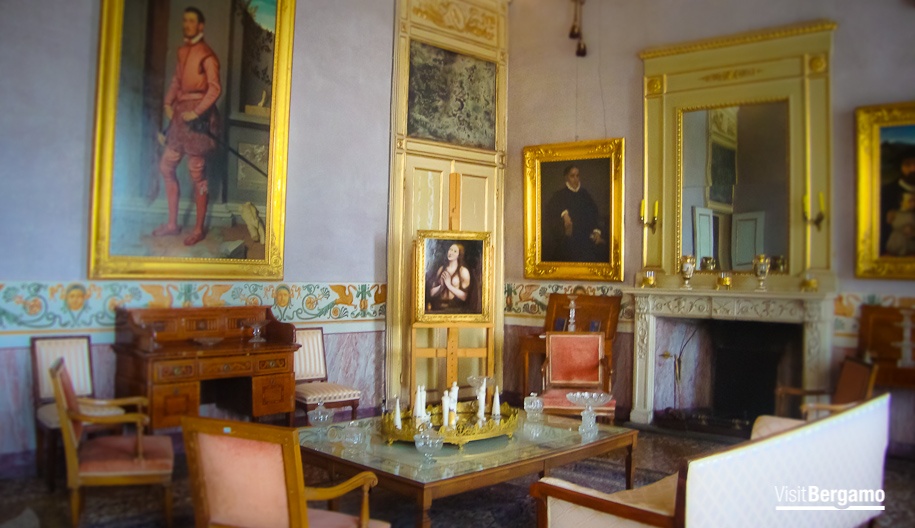
The Moroni family has always been passionate about art, to the point of filling their palace with works by the painter of the same name, Luini, Tallone, Previtali, Gianpietrino, Gozzi and Ronzoni, to name a few. And if that is not enough, a wonderful garden awaits you as well!

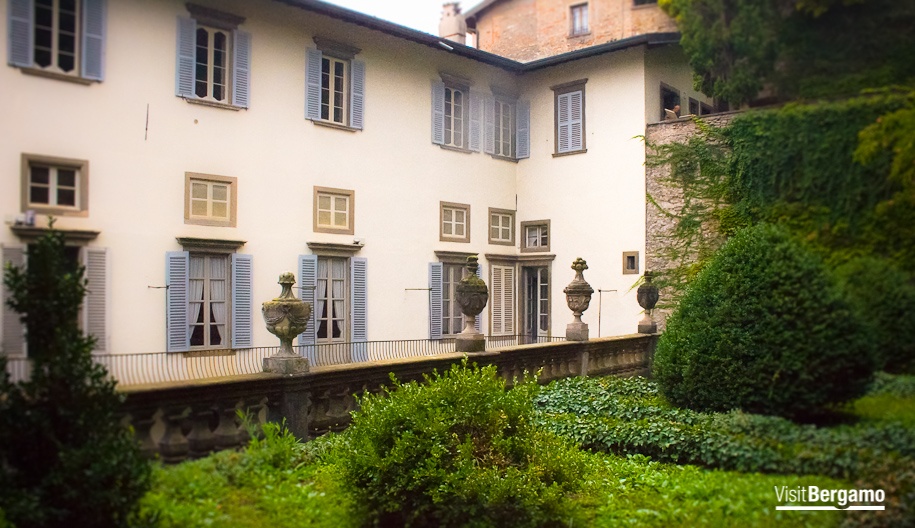
Palazzo Moroni stands on Via Porta Dipinta (Upper Town) and features exceptionally well-preserved interiors and furnishings, as well as a rich art collection and an Italianate garden with extensive orangery. The magnificent building thus offers visitors not only art and history, but also a charming historic park in the heart of Bergamo Alta.

Moroni Palace: A Family Legacy in Art Preservation

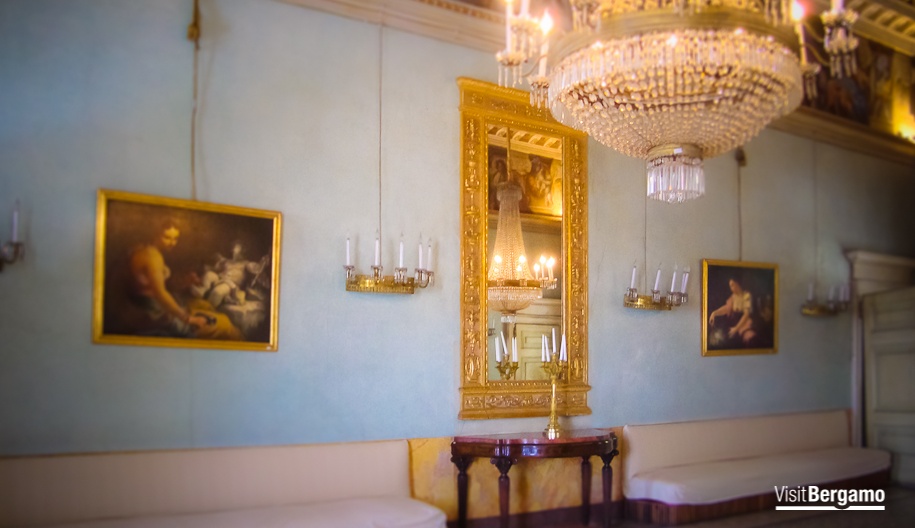
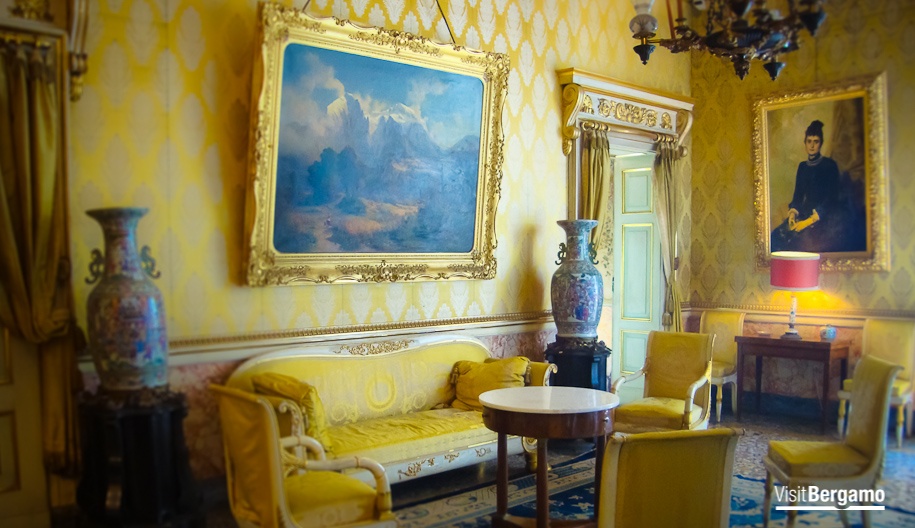
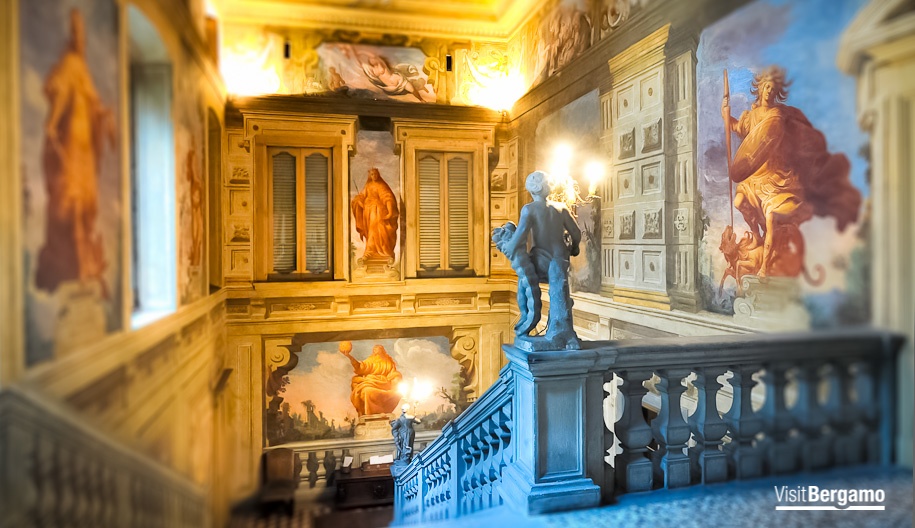
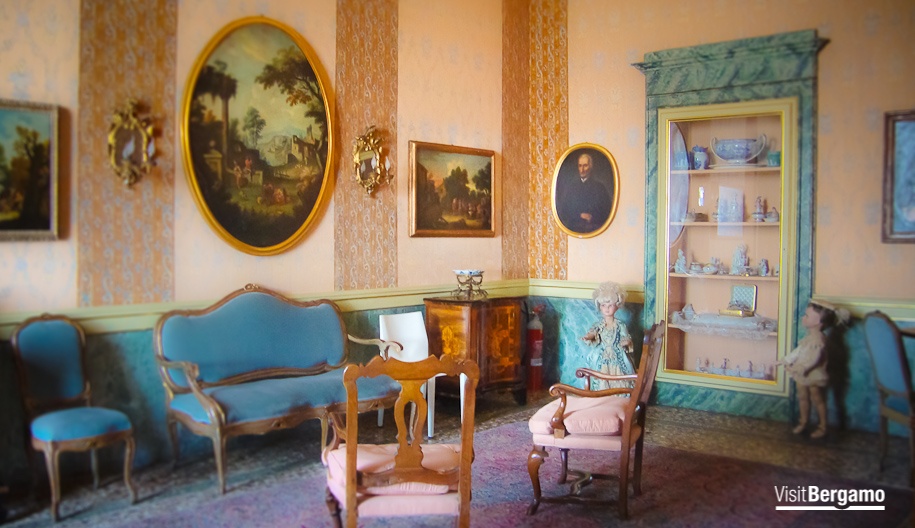
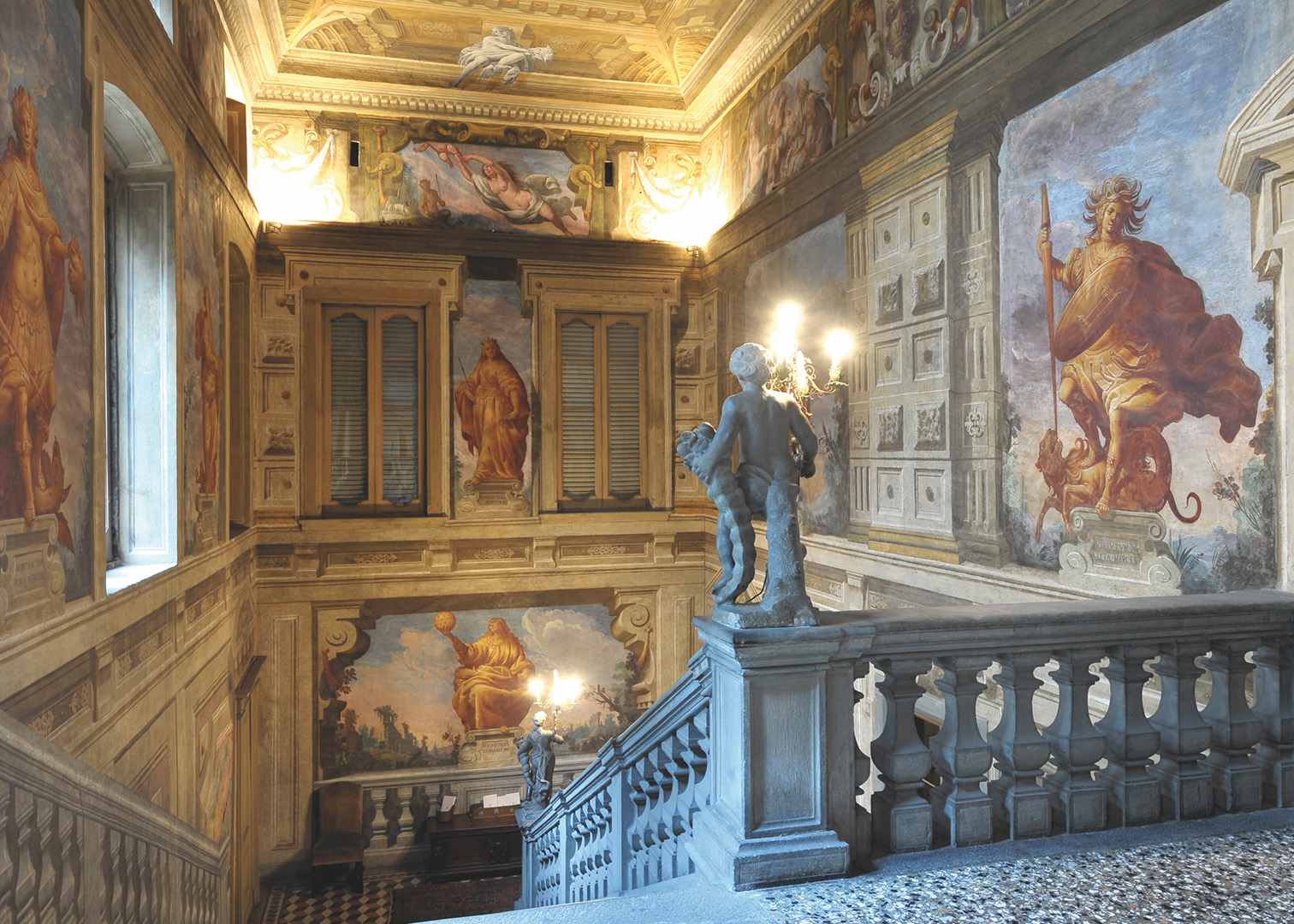
The Moroni family has owned and lived in the palace since 1636. The original layout has been carefully maintained and preserved; the monumental Scalone leads from the entrance courtyard to the main floor, behind whose doors are halls and salons frescoed and furnished between the seventeenth and nineteenth centuries.
In the larger rooms the evidence of Barbelli‘s fresco mastery persists in all its beauty, and here is also preserved the extensive and varied Moroni Collection, where the famous portraits of Gian Gerolamo Grumelli (Il Cavaliere in Rosa) and Isotta Brembati, executed by the painter Giovanni Battista Moroni of Albino, stand out in addition to works by Bernardino Luini, Cesare Tallone.

Moroni Gardens: From Medieval Tower to Mulberry Groves

Since its construction, the palace has overlooked a complex of Italian-style gardens, articulated in a balcony and three terraces that run along the hillside of Sant’Eufemia. The third and highest terracing gives access to the Count’s Pensatoio, a neo-medieval-style turret built in the 19th century on the remains of an older structure, formerly belonging to the Civic fortress, which encircles the top of the hill.

Beyond the actual gardens lie about two hectares of orchard, which was annexed to the property during the 19th century by brothers Pietro and Alessandro Moroni, the latter a scholar of agronomy. The area still contains vines raised on pergola, fruit trees and a roccolo, that is, a circle of hornbeam trees, whose intertwined branches served as nets to hunt live birds for food and play. There is also no shortage of mulberry trees, one of the symbols of the family, enriched by the breeding of silkworms, which feed on the very leaves of this tree.

The Opening of Palazzo Moroni to the Public

Thanks to the agreement between FAI – Fondo per l’Ambiente Italiano and the Palazzo Moroni Museum Foundation in December 2019, aimed at the restoration, management and enhancement of the splendid Bergamasque palace, Palazzo and Giardini Moroni are now regularly open to the public .

What to See in Palazzo Moroni

The Moroni collection is a journey through Lombard art:

  • G.B. Moroni’s Knight in Pink, an icon of Mannerism
  • Frescoes by Giovan Battista Barbelli in the Hall of Mirrors
  • Portrait of Isotta Brembati, a masterpiece of the late sixteenth century
  • Works by Cesare Tallone and eighteenth-century sketches

The terraced gardens, divided into three levels, combine utility and beauty:

  • Formal garden with boxwood hedges and central fountain
  • Historic orchard with old varieties of apple and pear trees
  • Roccolo – rare example of plant architecture for birding

Don’t miss the Neomedieval Tower, a 19th-century count’s retreat with panoramic views of Bergamo.

Visit info and tickets on the FAI website.
Where it is located

Via Porta Dipinta, 12, 24129, Bergamo, Bergamo

Accessibility information

Scheda servizi igienici

  • On what floor are the toilets located. Terra
  • On the toilet floor you have to climb steps to use the toilets No
  • Toilets are equipped for people with disabilities Sì
  • Disabled toilets are locked No
  • Presence of anteroom No
  • Door type A libro
  • Door width 80 cm
  • Door opening Verso l'esterno
  • Handle height 120 cm
  • Washbasin sospeso
  • Washbasin height from the floor 80 cm
  • Distance outside-sink faucet 40 cm
  • Space in front of the washbasin 120 cm
  • Changing table presence Sì
  • What types of bathrooms are present Uomo donna disabile
  • Which bathroom am I mapping Uomo donna disabile
  • Door A libro
  • Door width 80 cm
  • Door opening Verso l'esterno
  • The section from the entrance to the bathroom has barriers/obstacles No
  • Handle height 120 cm
  • Changing table presence Sì
  • Sink type sospeso
  • Sink height from the floor 80 cm
  • Sink space in front of the sink 120 cm
  • Sink space between outside sink and faucet 40 cm
  • Area under the sink is free Sì
  • Mirror presence Sì
  • Tilting mirror No
  • Magnifying mirror No
  • Tilting magnifying mirror No
  • WC type sospeso
  • WC height 50 cm
  • Toilet front space 170 cm
  • Left toilet space 40 cm
  • Right toilet space 20 cm
  • Shower next to the toilet No
  • Presence of Maniglione sinistro
  • Flush Bottone laterale
  • Indicates what facilitators are there to overcome them nessuno
  • Presence of shower No
  • Tank presence No
  • What slope the route has: <8% 8%{{{wpml_tag_1}}}12% >12% <8%
  • Rilevatore 150 cm
  • The floor has loges leading to the bathroom No

Ingresso

  • Doorbell No
  • Notes L’ingresso alla struttura è sempre aperto
  • Number of ports 1
  • Door total useful width 300 cm
  • Door total useful width 80 cm
  • Type of opening maniglia
  • Handle height from the ground 120 cm
  • There are steps outside the entrance No
  • Reception counter height 130 cm
  • The reception area has a lower part No
  • Rilevatore 300 cm

Percorso espositivo

  • On which floors are the rooms located Primo e secondo
  • Describe how the exhibition itinerary unfolds Il percorso espositivo si svolge su più piani, tutte le stanze sono visitabili, il giardino però presenta un percorso troppo stretto che impedisce il passaggio alle carrozzine

Share

Copy the URL

Contact us

Desideri maggiori informazioni?

This field is for validation purposes and should be left unchanged.

VisitBergamo Gift Card