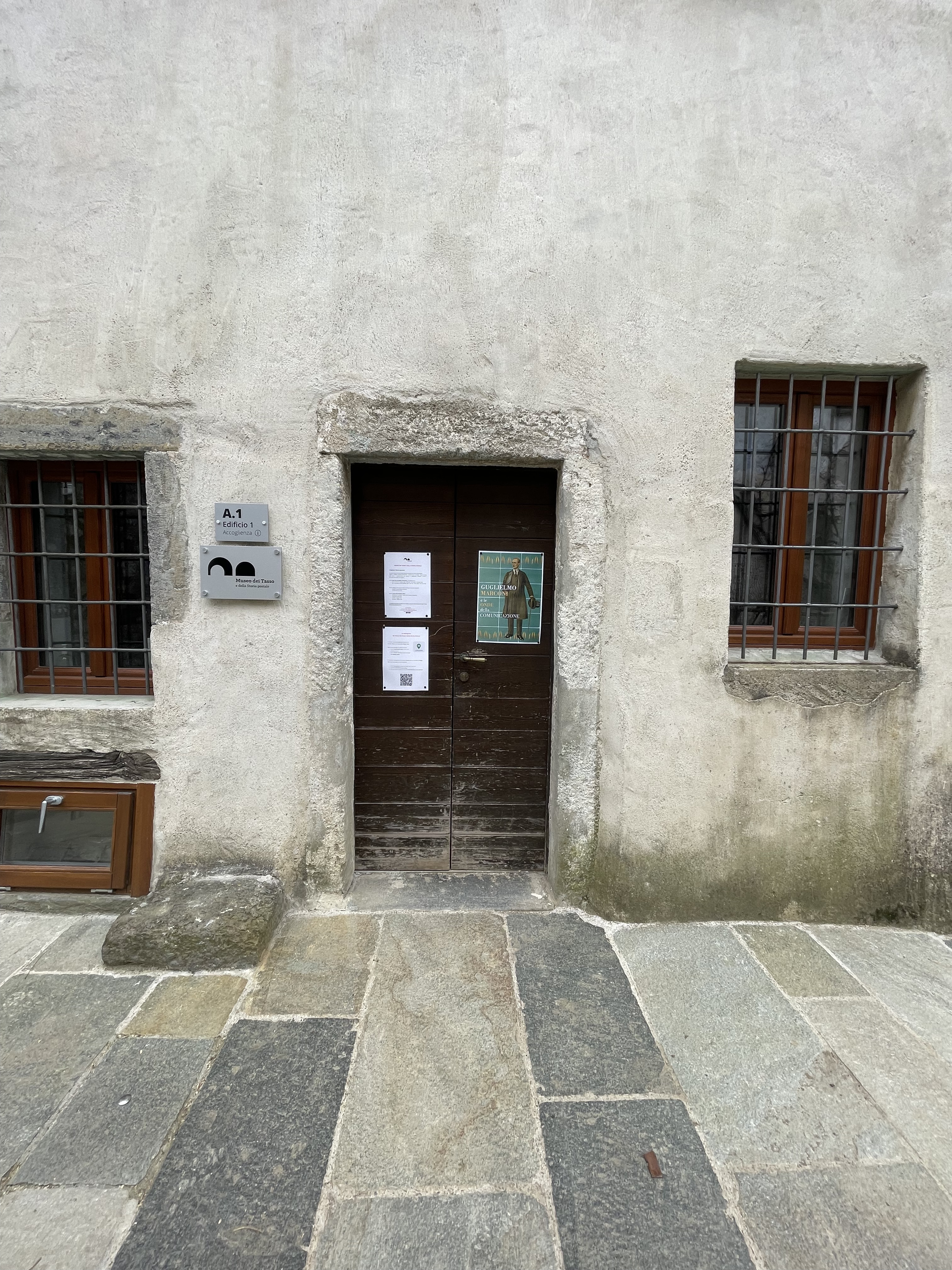
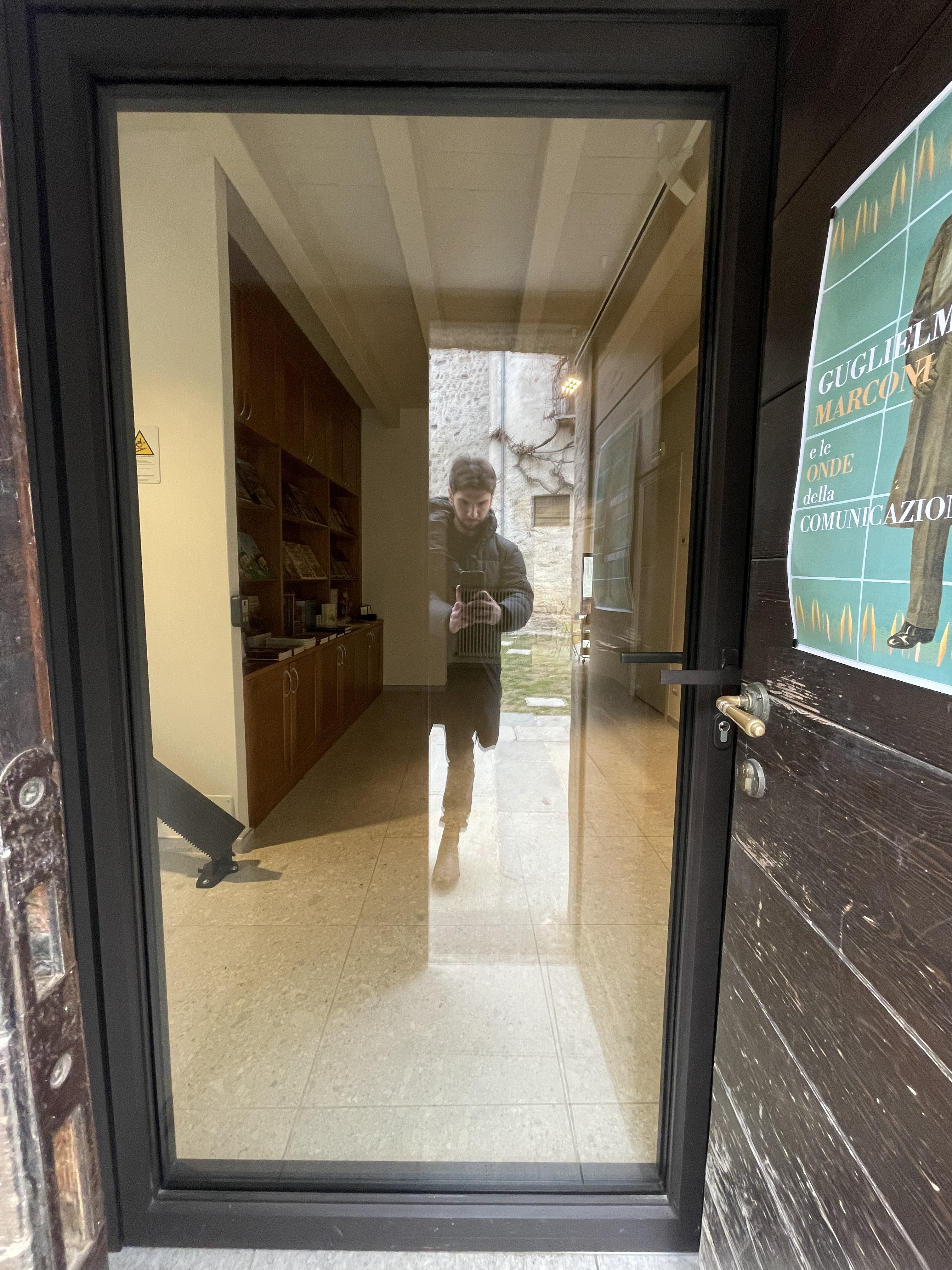
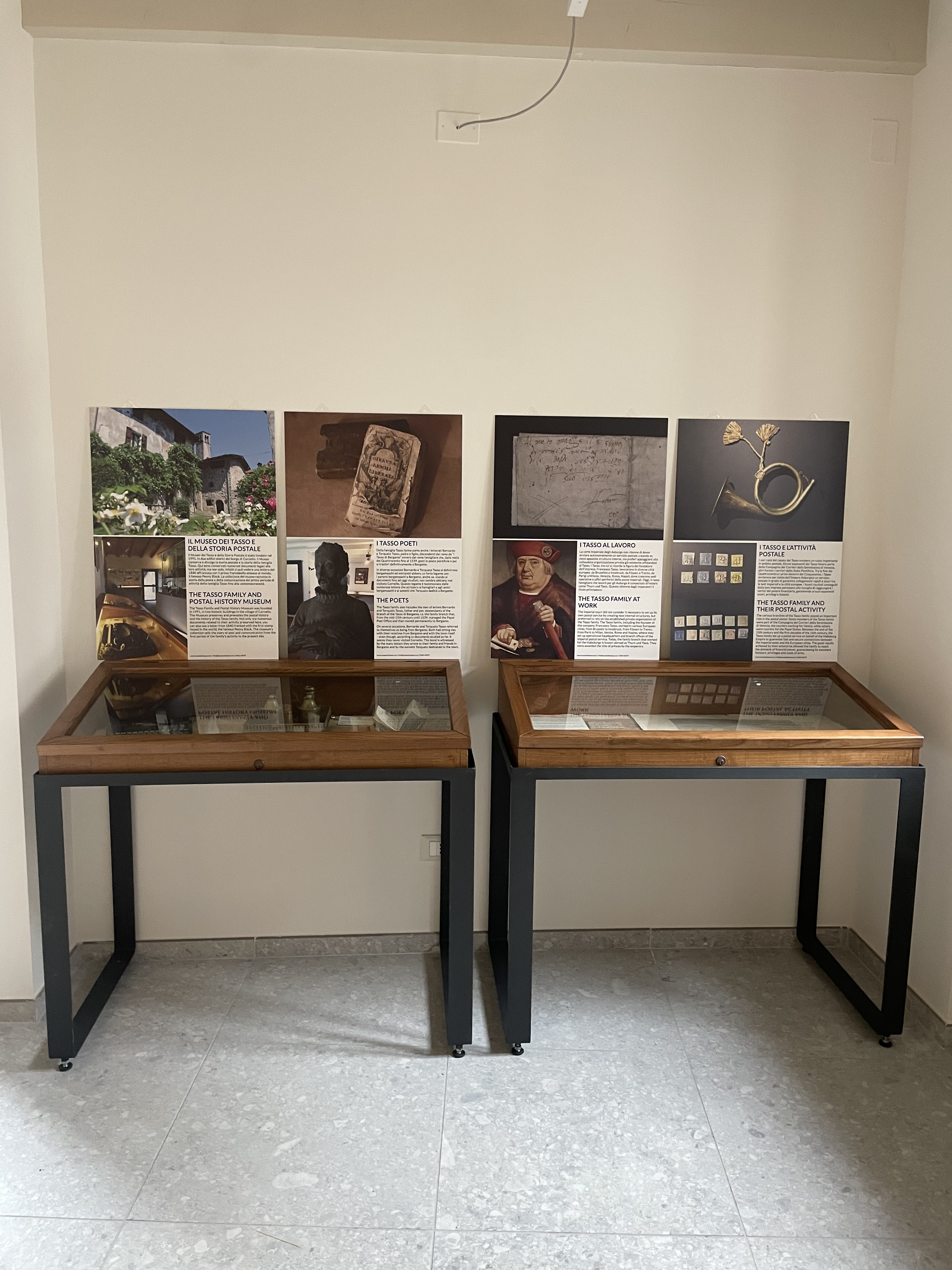
Founded in 1991, the museum celebrates not only the village, but also the history and fortunes of the family that gave it its name, wealth and once-international notoriety.
Cornello is in fact the birthplace of the Tasso family, famous for the literary work of Torquato Tasso as well as for the entrepreneurial prowess of its members, founders-and managers-for centuries of the modern European postal service.
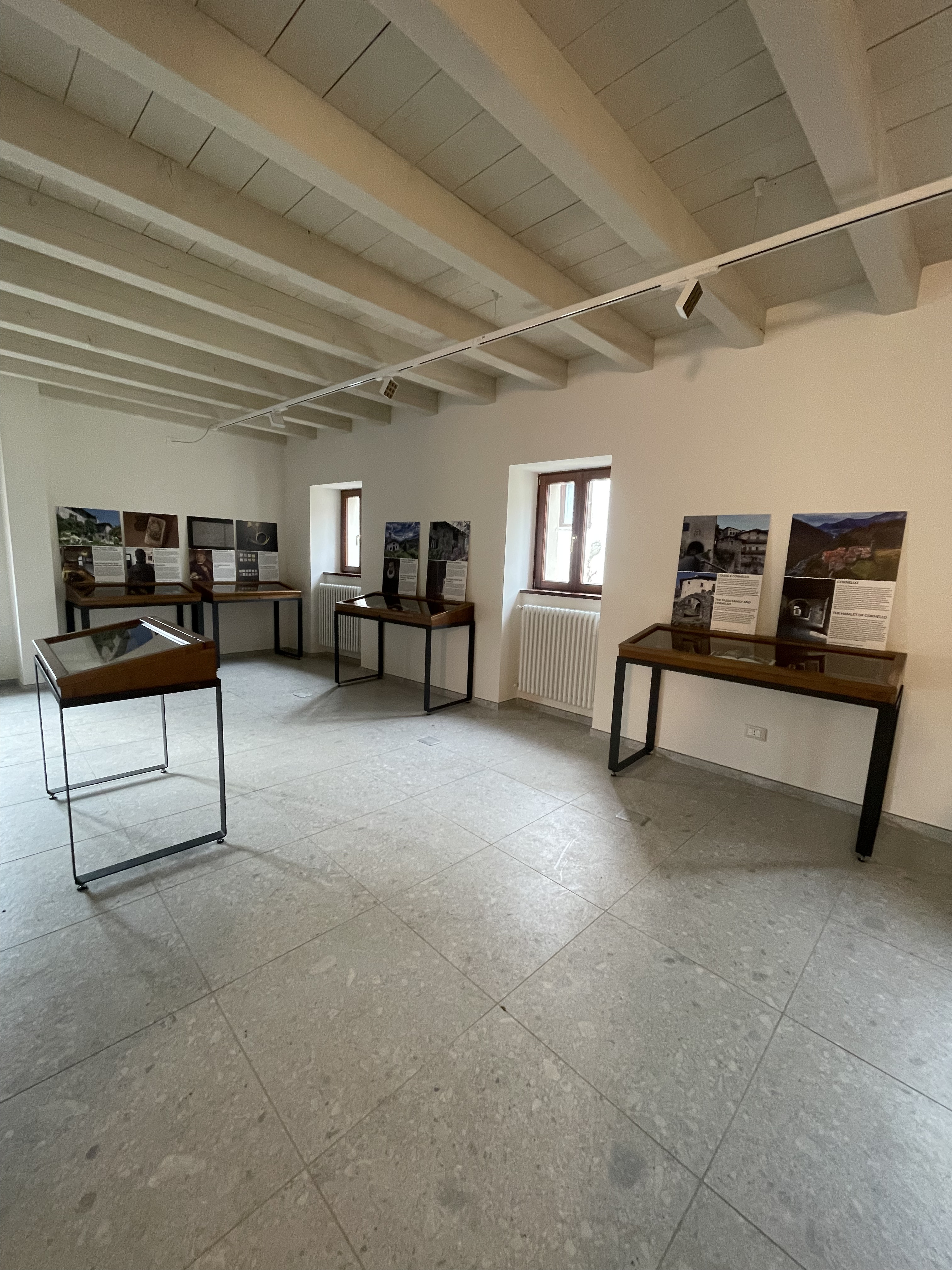
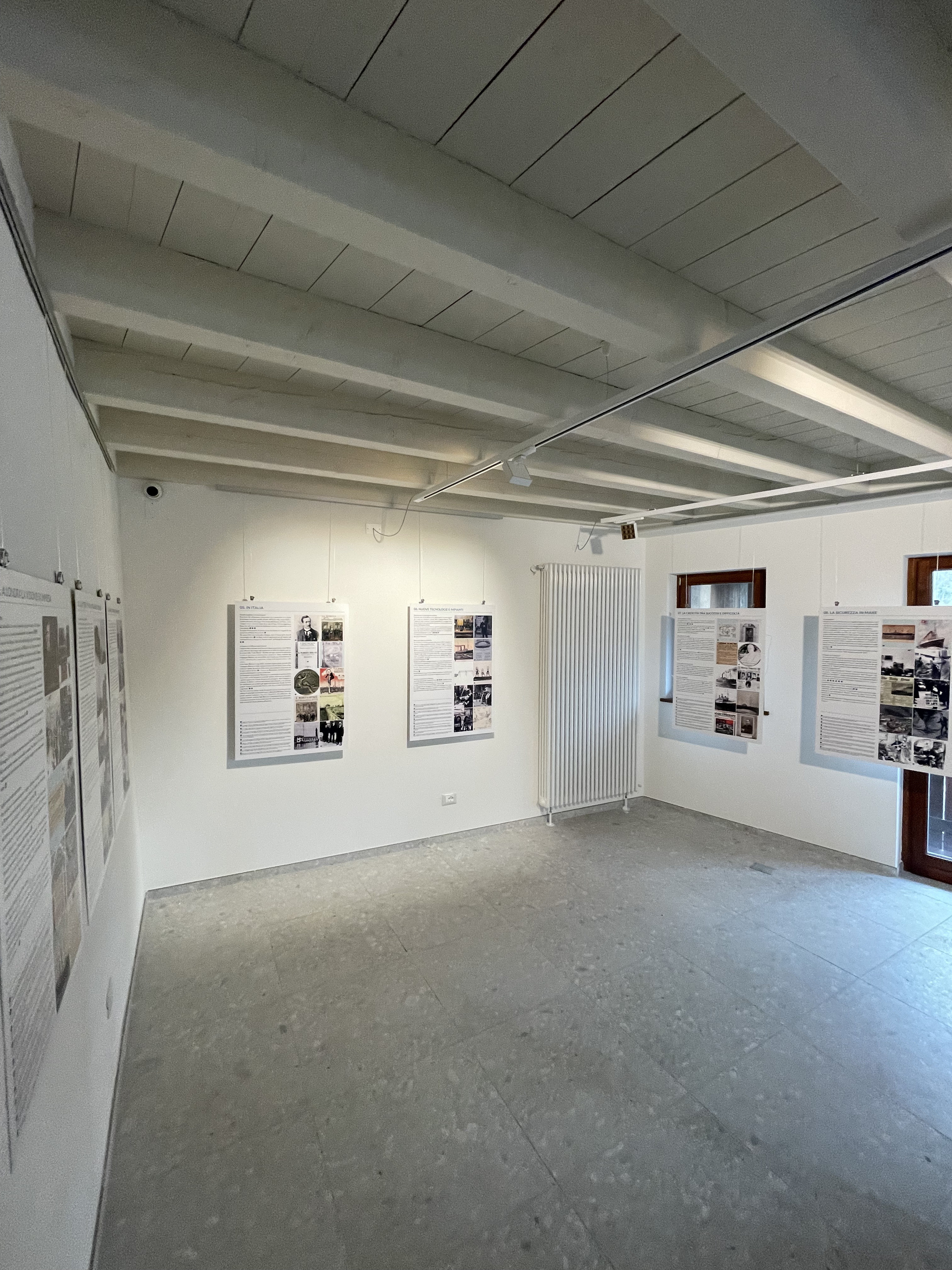
The museum is spread over six exhibition spaces. On the ground floor of the main building, the exhibit traces the history of the Tasso family in the service of the Habsburgs.The schematic family tree of the Tasso lineage, starting in 1250 to the present day with family members currently residing in Regensburg (Germany) and Duino (in the vicinity of Trieste), stands out on the back wall. Here the complex ramification of the great dynasty is highlighted with special emphasis on certain figures, such as Francesco, Simone, and Giovan Battista Tasso who worked for the Habsburgs (Maximilian I, Philip the Fair, and Charles V), whose genealogy is immortalized in another panel.
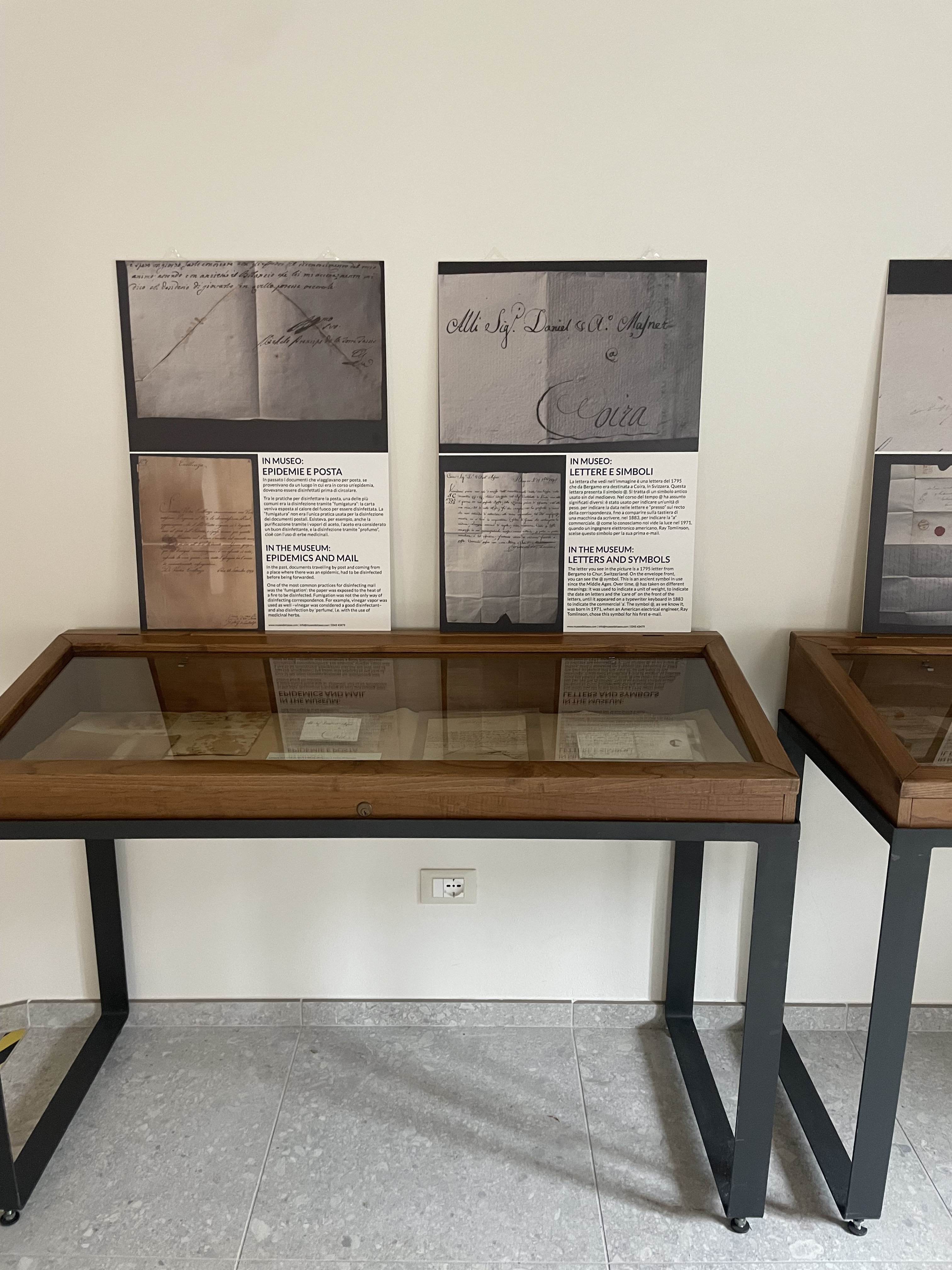
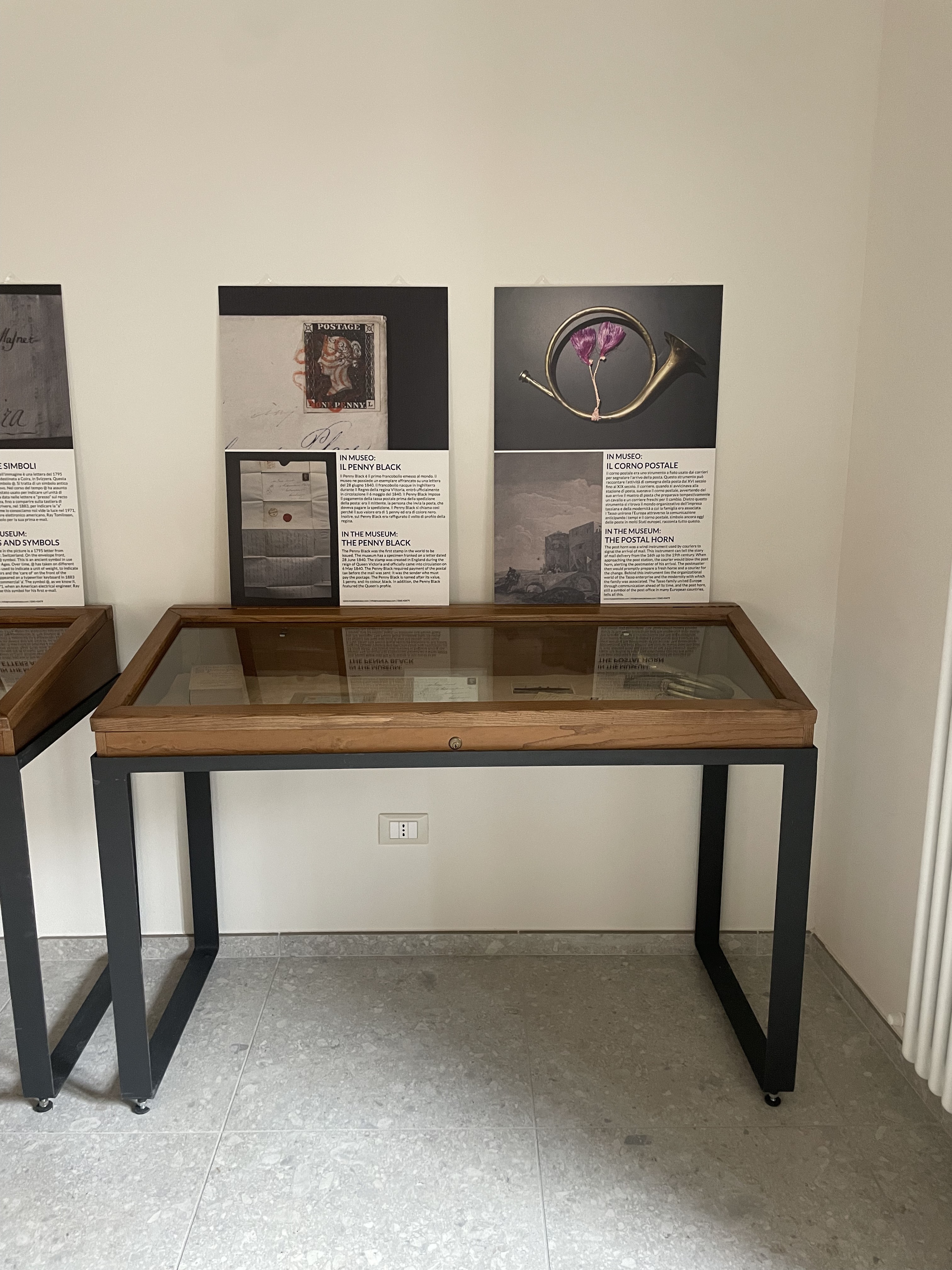
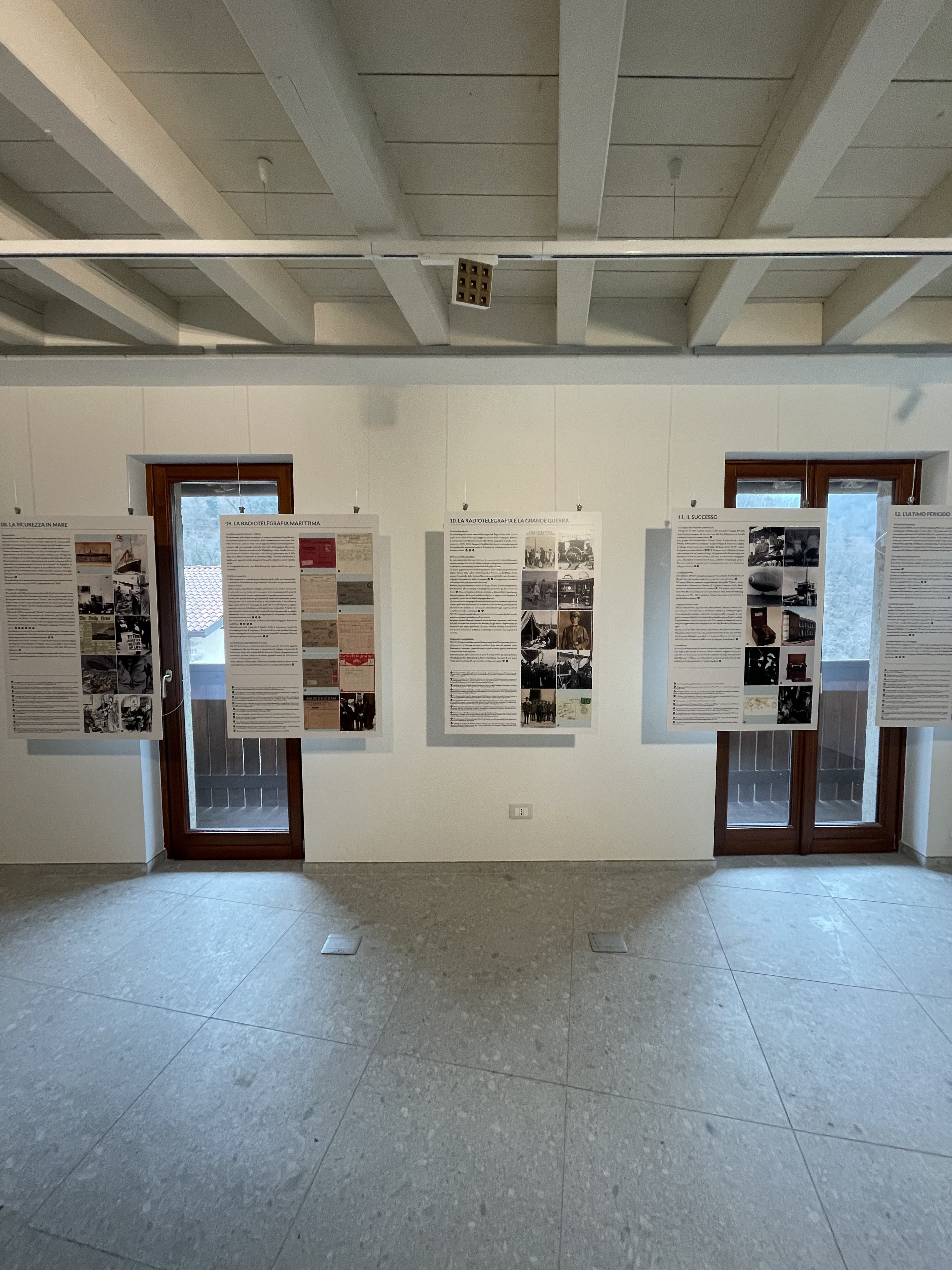
Featured alongside the Badger story is a letter from 1840 franked with the world’s first stamp issued in England-the famous “Penny Black.” A number of showcases display stamps issued by the Thurn und Taxis family from 1852 to 1866, when postal service on German territory was nationalized by the Kingdom of Prussia, which provided compensation to the Thurn und Taxis for the loss of their office.
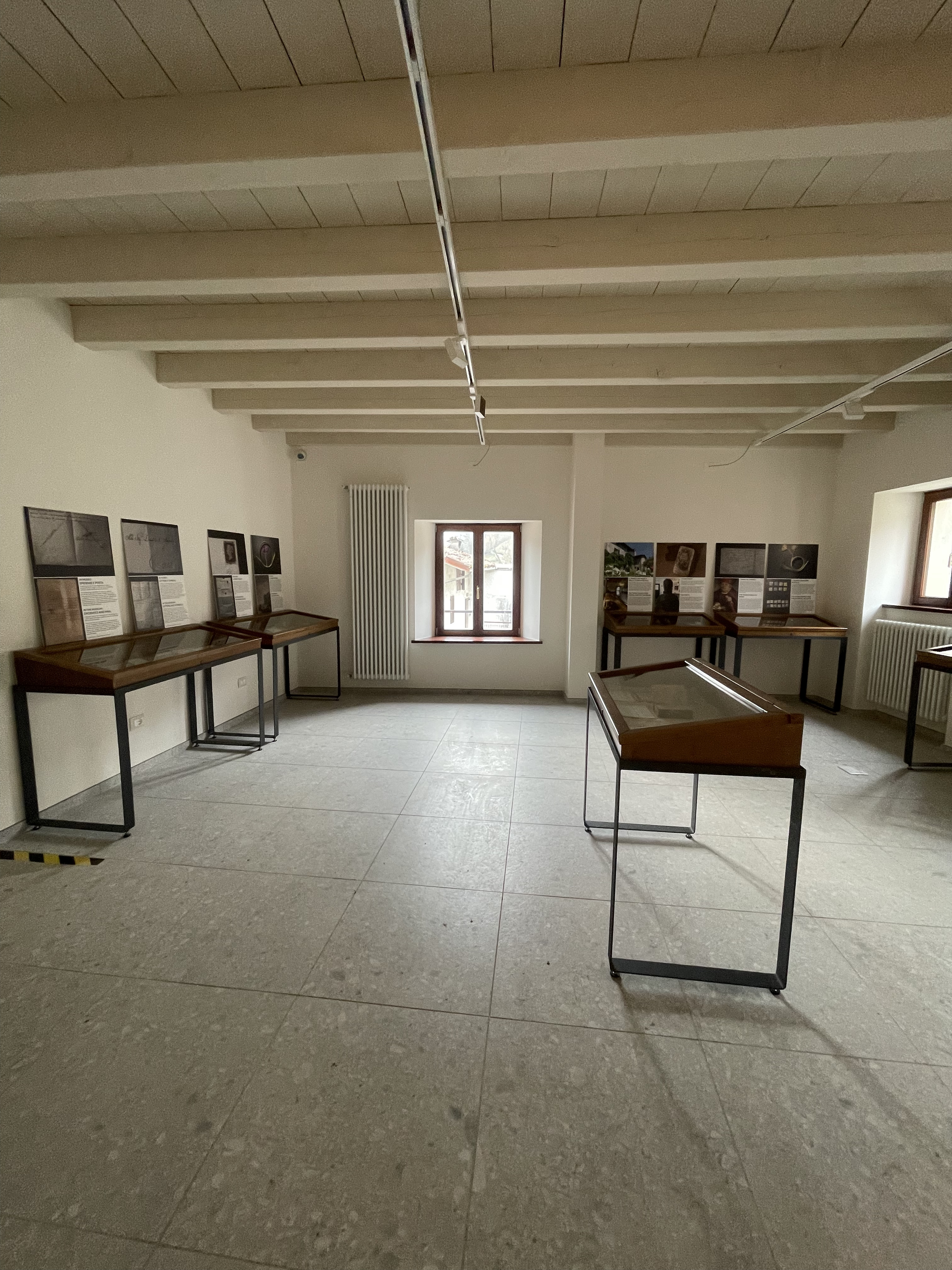
On the upper floor, a series of postal documents such as letters and posters from the 17th-19th centuries.
In the upper room, very interesting for the youngest visitors are: a model of a Piedmontese post station from 1815, a plaster reproduction of a letterbox from 1674 from Portaria (hamlet of Acquasparta, Terni), mailboxes with coats of arms of the Savoy Kingdom from 1850 and the Austro-Hungarian one from 1910 from Ala (Tridentine Venice). The showcases display a miscellany of letters and documents, the result of important donations to the Museum.
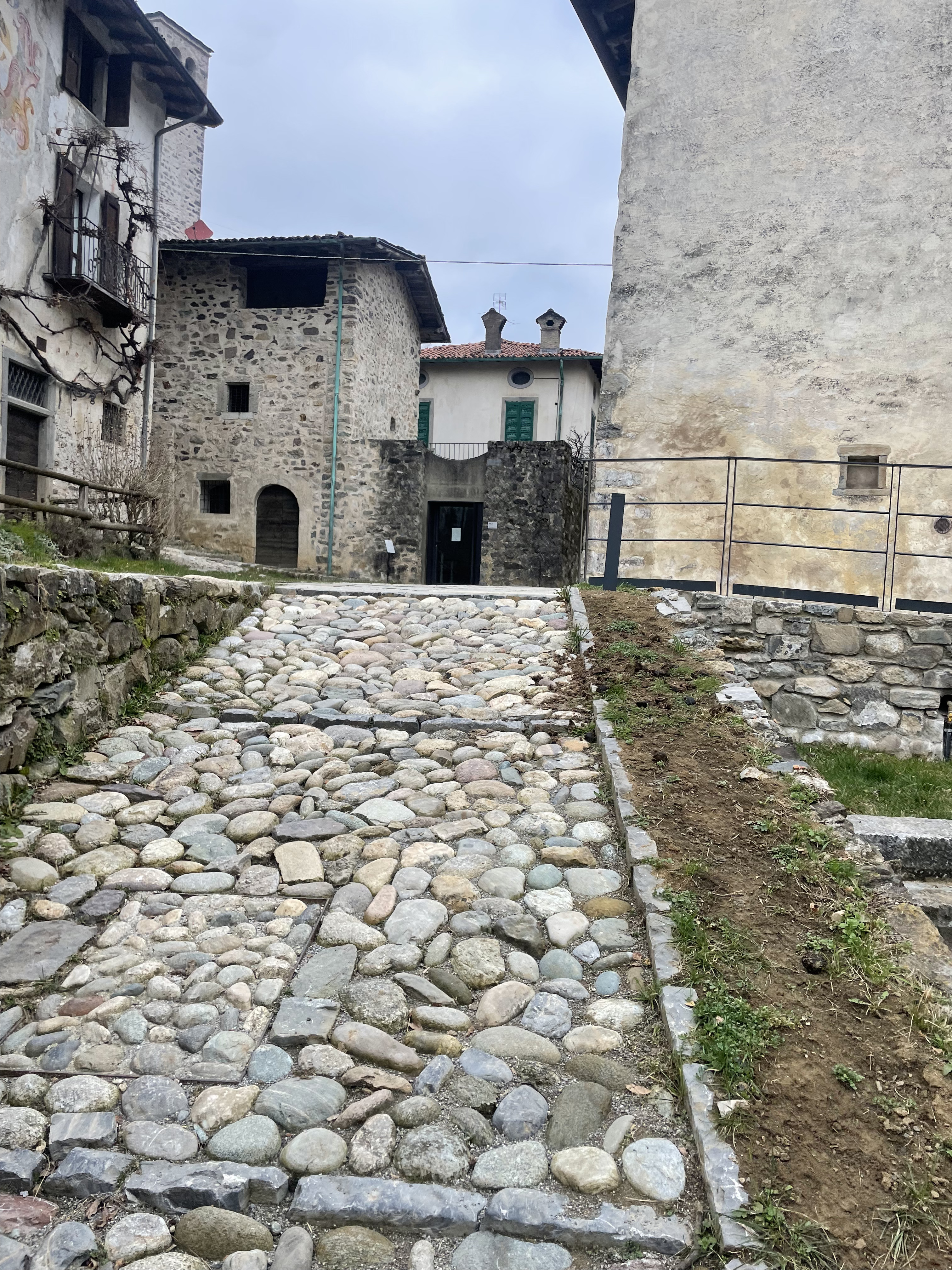
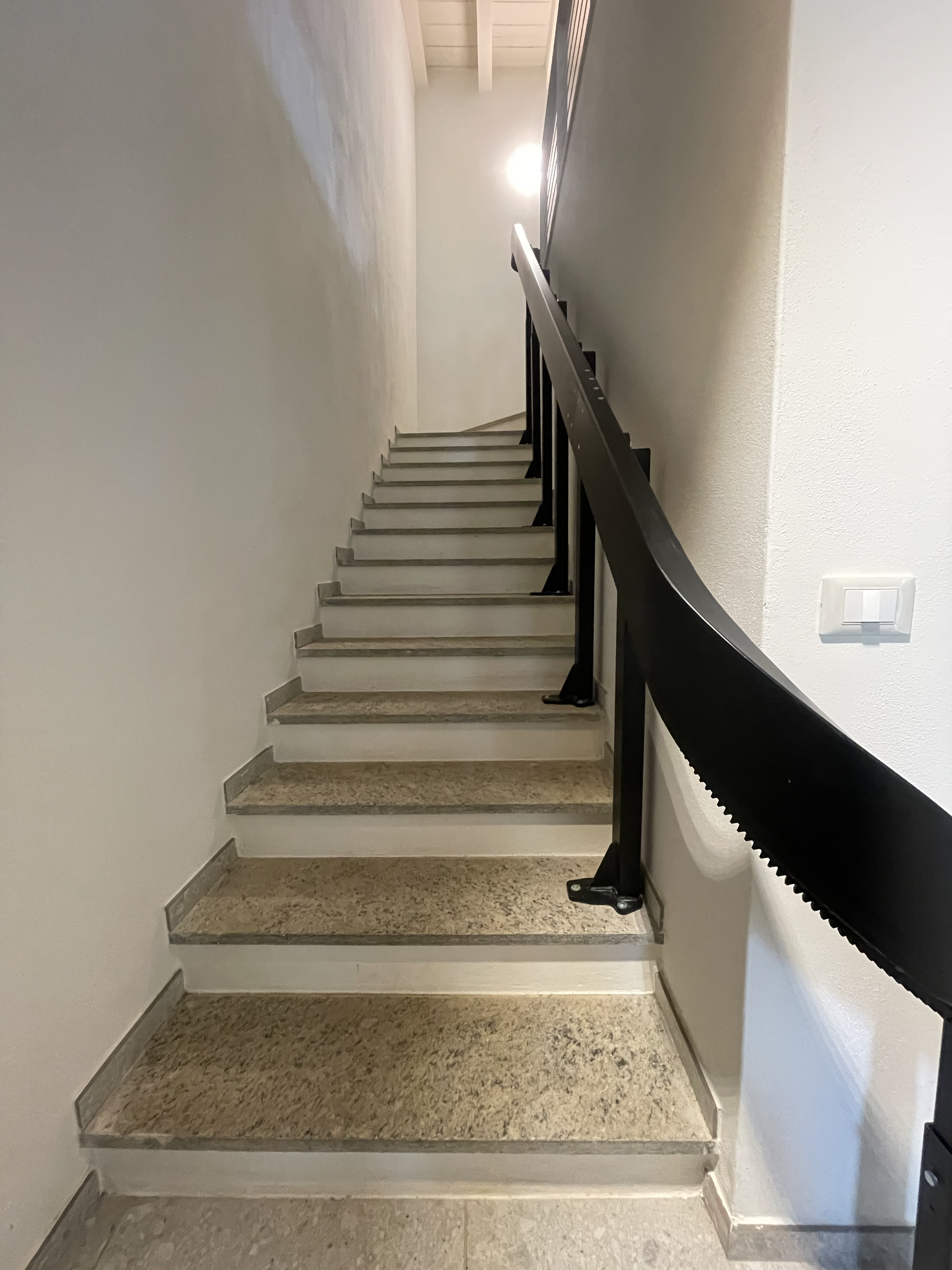
Reaching the small square in front of the church, on the right some steps made of local stone give access to another room of the museum. The room is dedicated to Msgr. Daniele Rota, who wished to donate to the museum all his literary material on Bernardo and Torquato Tasso.
In the showcases and bulletin boards are displayed multiple volumes on literary themes including some beautiful editions of “Gerusalemme liberata.” On the walls are paintings depicting Bernard, Torquato, while placed on a column is a bronze bust of Torquato Tasso on plaster by Attilio Nani, an important artist from Bergamo. The small room on the upper floor entitled “Postal Services and Means of Communication” collects, material from the Historical Museum of Communication
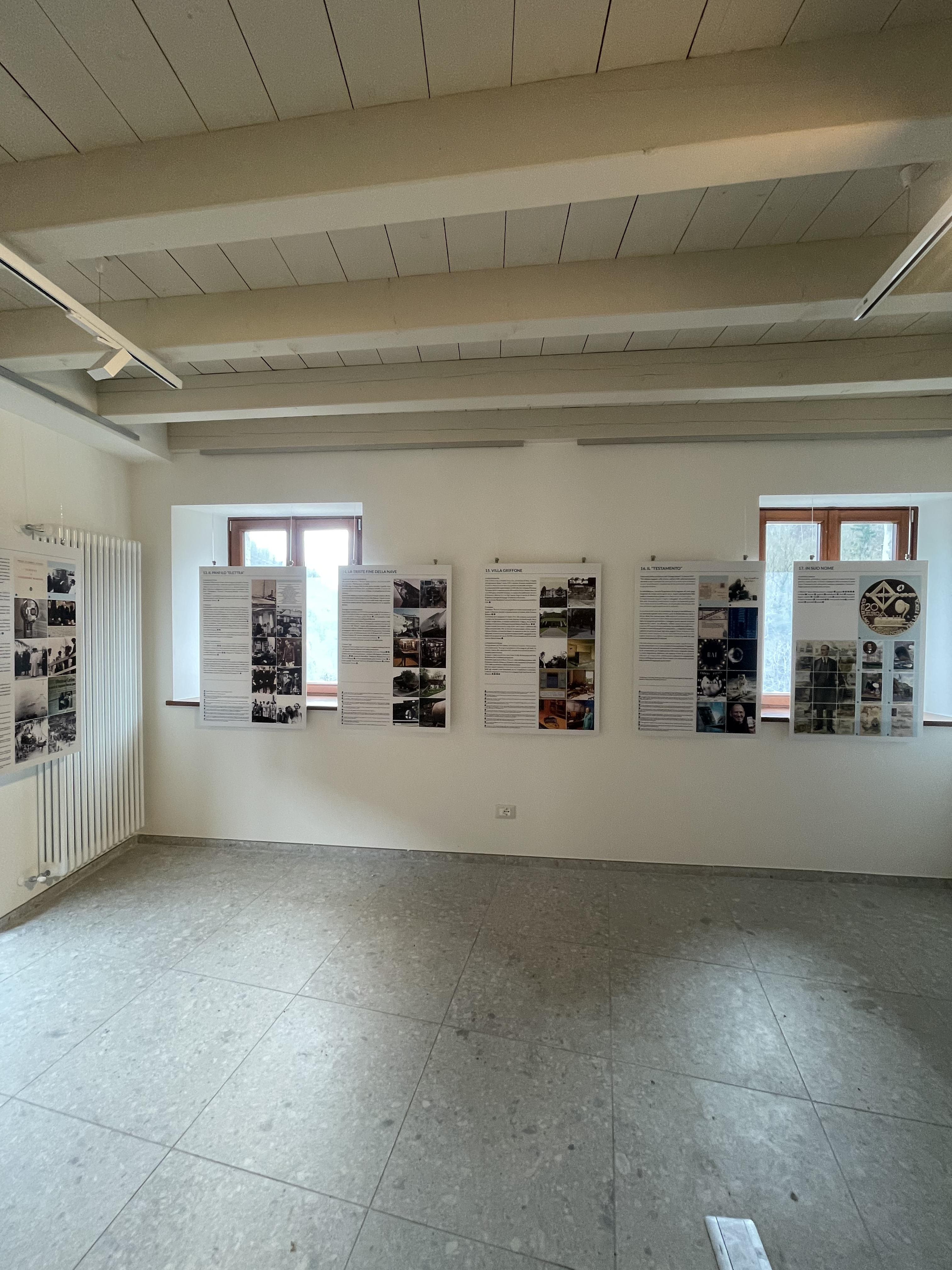
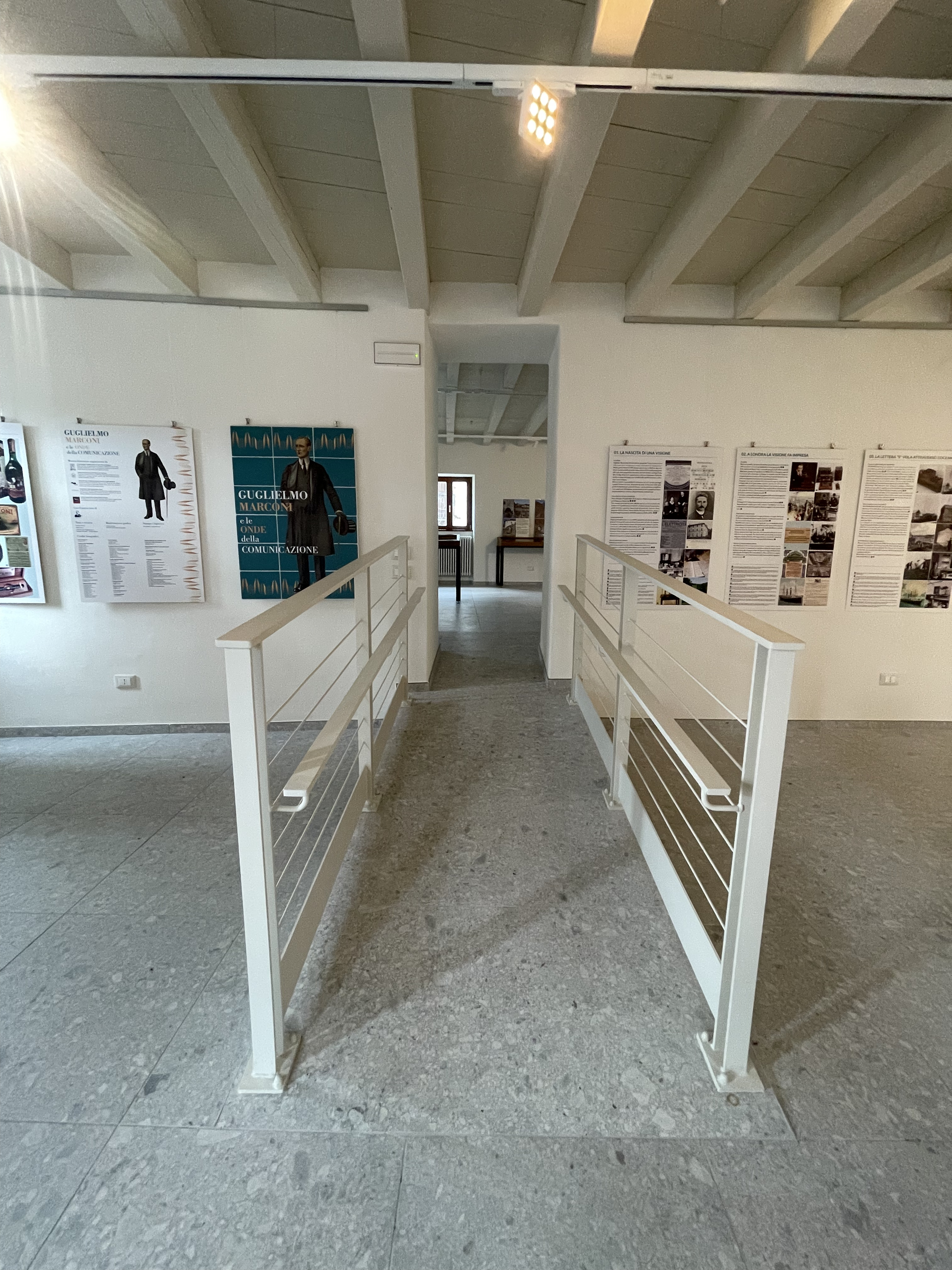
Part of the venue is devoted to the history of writing and its implications in communication.
The hamlet
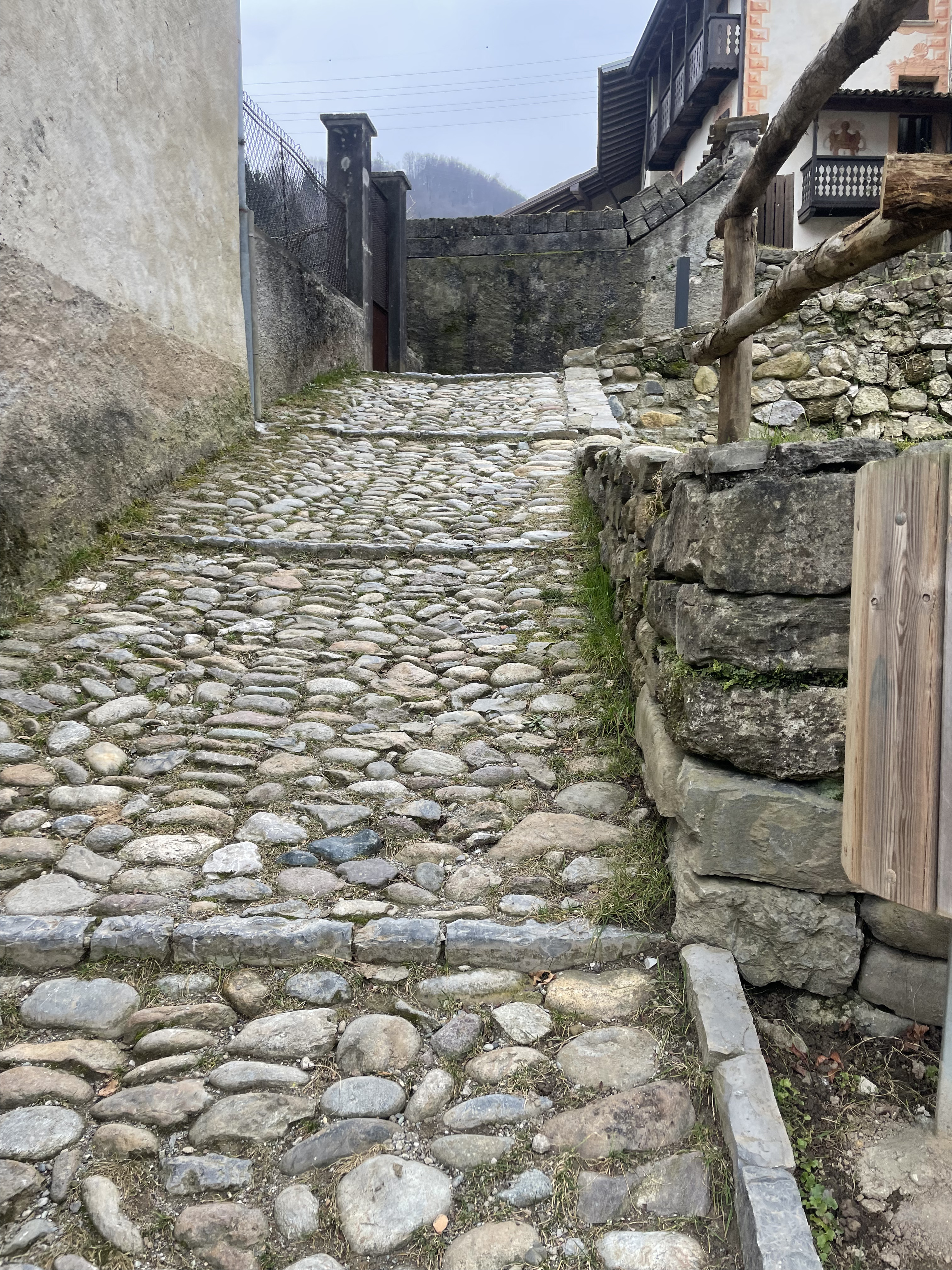
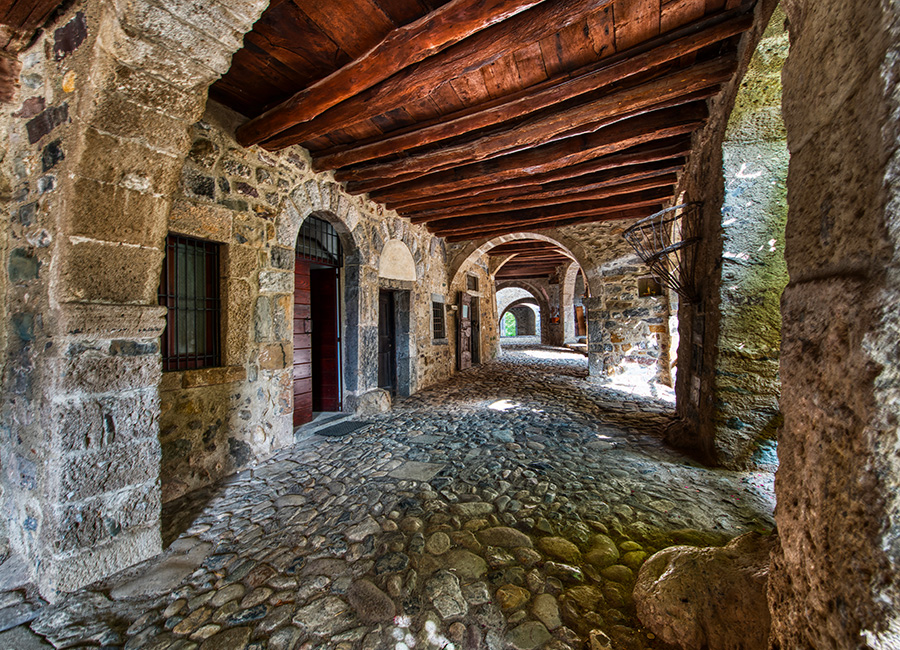
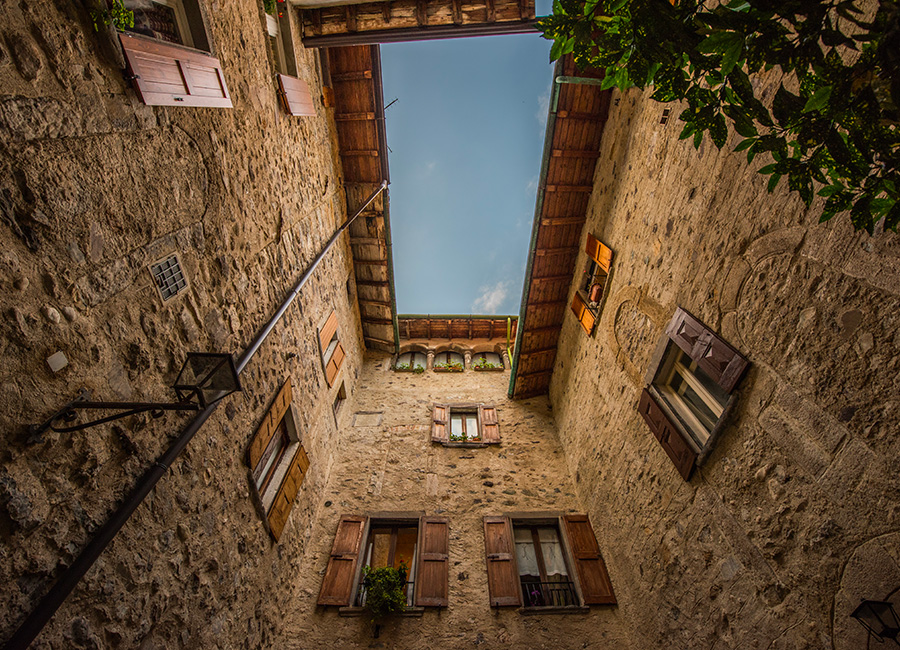
Cornello dei Tasso stands on a rocky outcrop (corna, cornel = cliff, spur) overlooking the Brembo River; it is laid out on four concentric building plans.
Below, you will be able to notice a continuous series of fronts with the characteristic fortification type. Between the first and second curtain of inhabited areas runs the route of the ancient “via Mercatorum,” the defining element of the urban core: stone arches punctuate the various building units, exposed wooden beams serve as roofing on the portico floor and support on the upper floor. Today you can walk along it following its route over several days, stopping at inns and local establishments just as the travelers of the time did, completing your Merchant’s Map.
More open and diverse is the third level of the settlement, with buildings of some architectural interest and dwellings that maintain the old valley structure on the outside. At the highest point of the village you will find the church dedicated to Sts. Cyprian and Cornelius. Erected on an original 12th-century structure, it has an elegant leaning bell tower in the Romanesque style . Inside there is an interesting cycle of frescoes dating from the 15th to 16th centuries, notable for the “Miracle of St. Eligius” patron saint of farriers, for the proposed 15th-century settings, costumes and work tools, “St. George,” “St. Agatha” and scenes from the life of Christ.